
- August 16, 2026
NOT RECYCLED. REIMAGINED. — The Art of Upcycling at BOHO
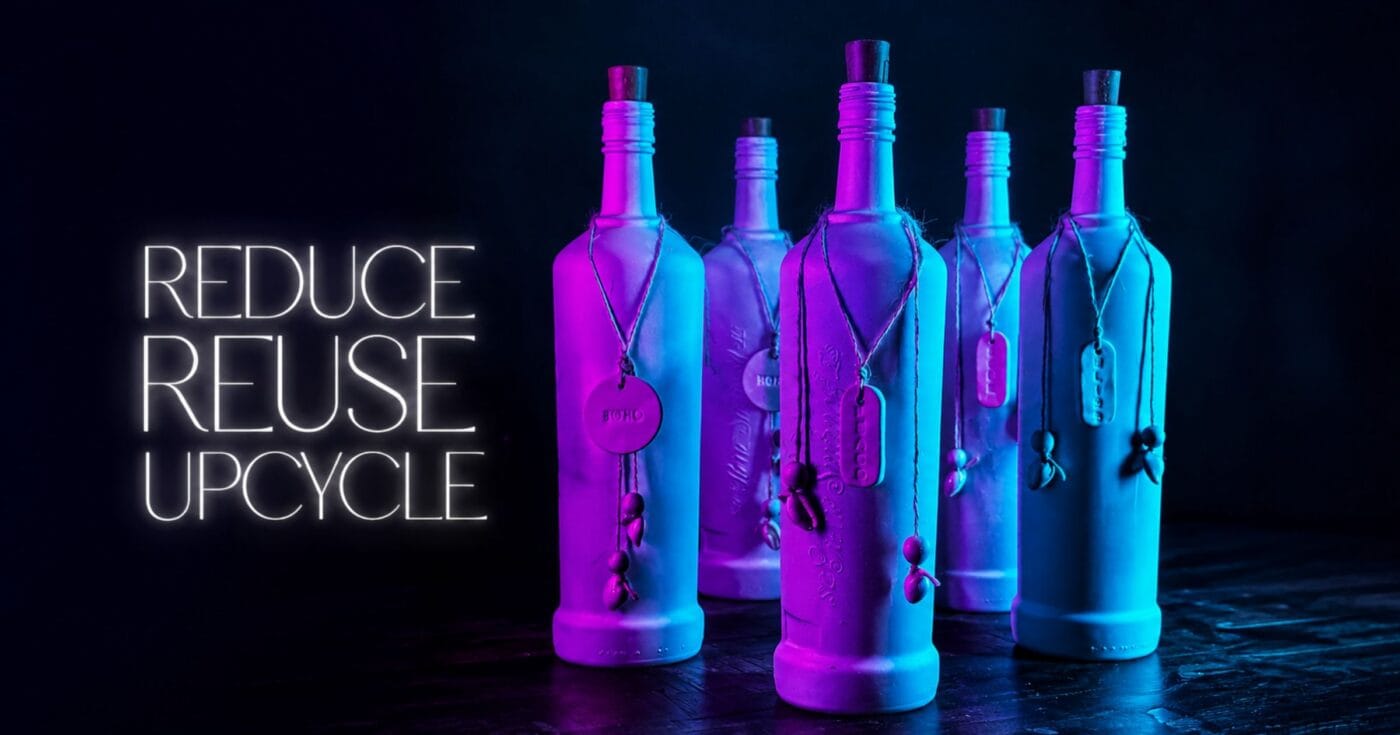
NOT
RECYCLED.
REIMAGINED.
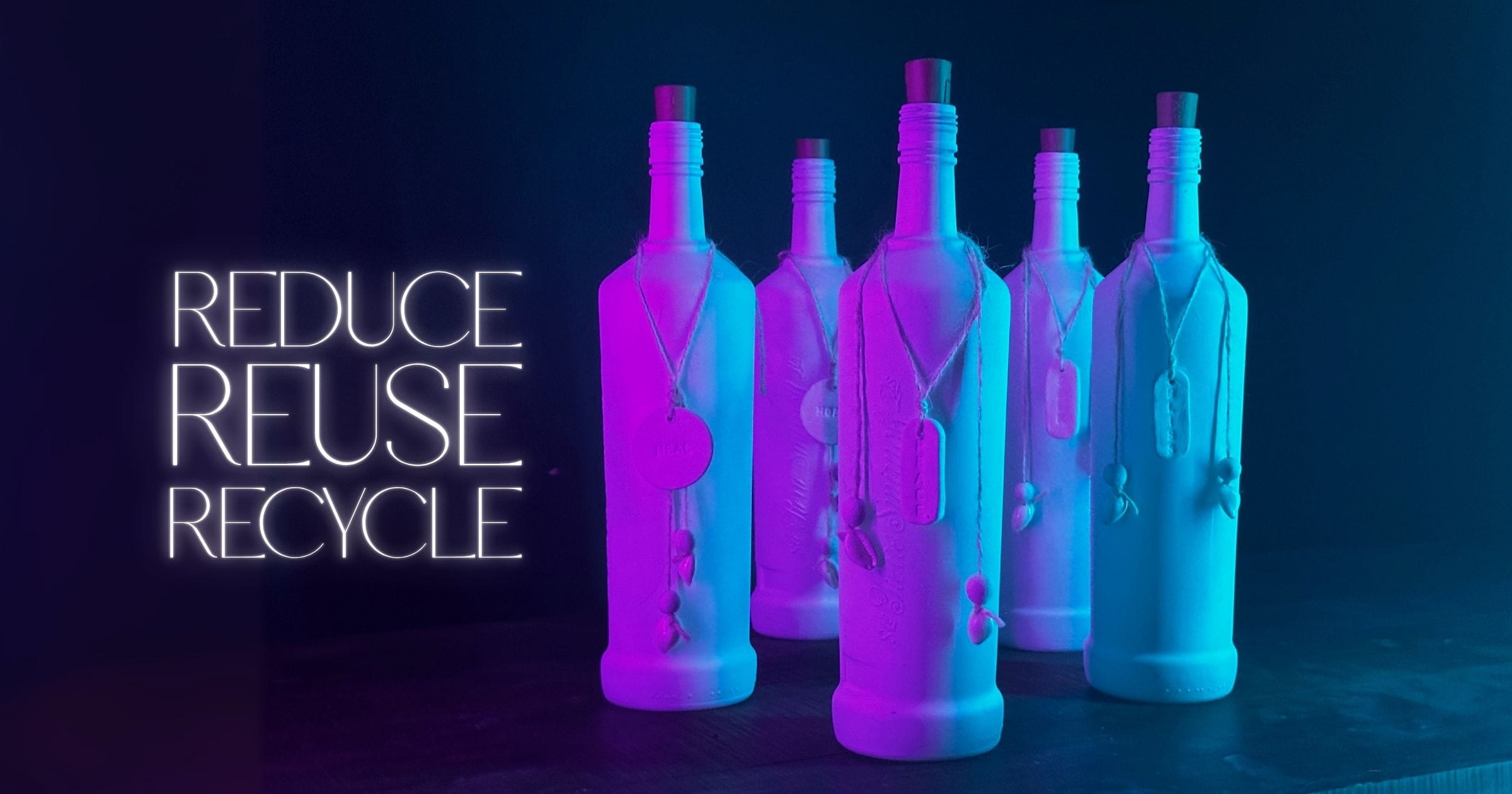
We don't always need to create something from new material. Sometimes, we need to look again at what already exists.
A different way to think about waste
Recycling is important. But recycling is not the only way to keep a material in circulation.
There is a quieter step that can come before a material is broken down, melted or processed again: reuse. And when reuse becomes design, it becomes upcycling.
That is where BOHO begins.
UNEP's circularity approach recognises reduction, reuse, repair, refurbishment, repurposing and recycling as different value-retention pathways within a broader move away from the linear take–make–waste model.

Recycling vs. upcycling
Existing material is collected, processed and transformed into raw material for a new product.
An existing object is recovered, redesigned and given a new or higher-value use without necessarily breaking it back down.
Recycling asks: How can this material become material again?
Upcycling asks: How can this existing object remain useful—and become more meaningful?
Why glass matters
Glass is a permanent material: it can be recycled repeatedly without losing its fundamental material properties when properly collected and processed.
EPA's 2018 glass-container dataset. The remaining share was combusted with energy recovery. This is a U.S. benchmark, not a Bangladesh-specific rate.
The U.S. and EU figures use different years and metrics—recycling rate vs. collection rate—so they should not be presented as a like-for-like comparison.

The BOHO 100-bottle model
To make the idea tangible, BOHO can use a transparent scenario model rather than an unverified carbon claim.
From bottle to coastal aura
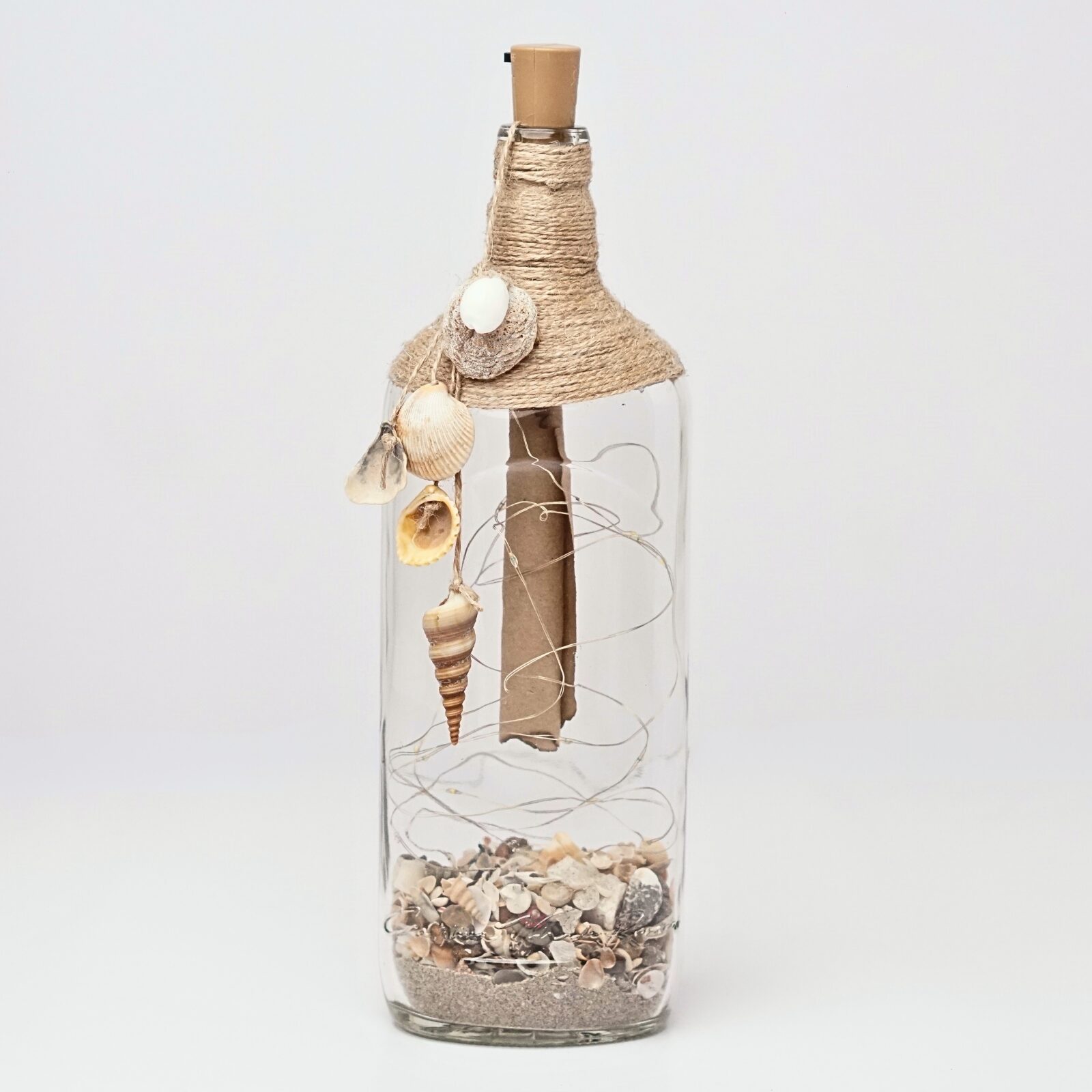
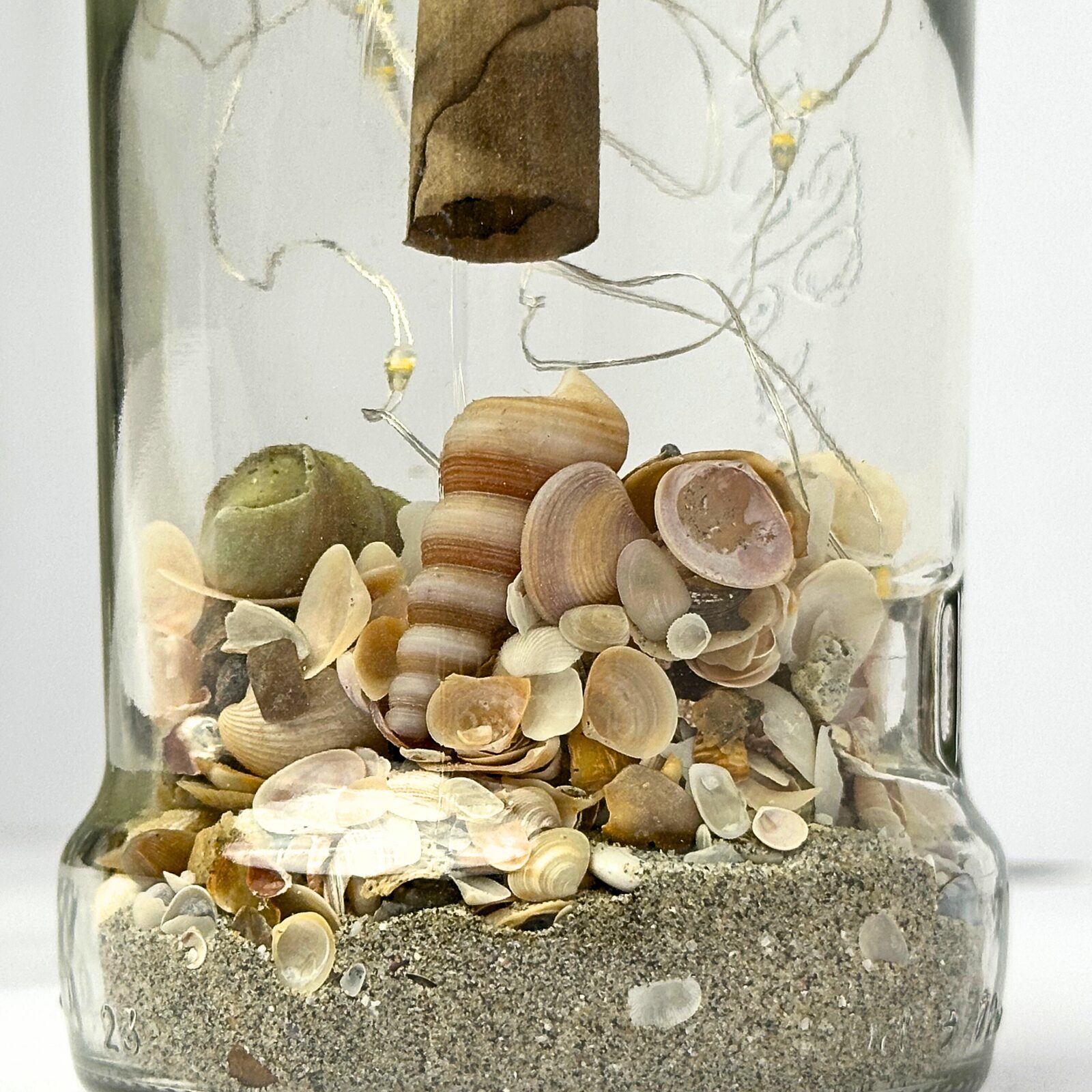
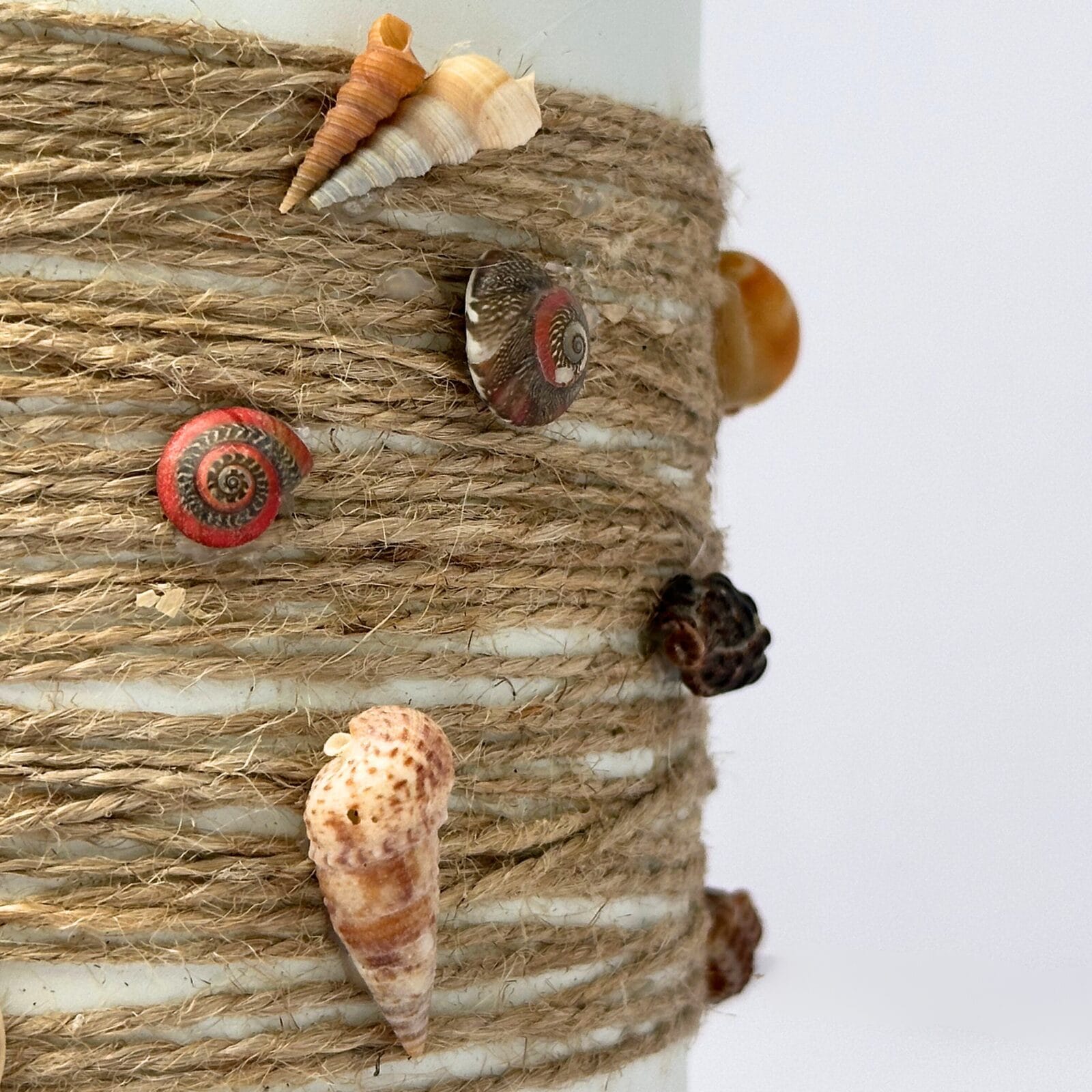
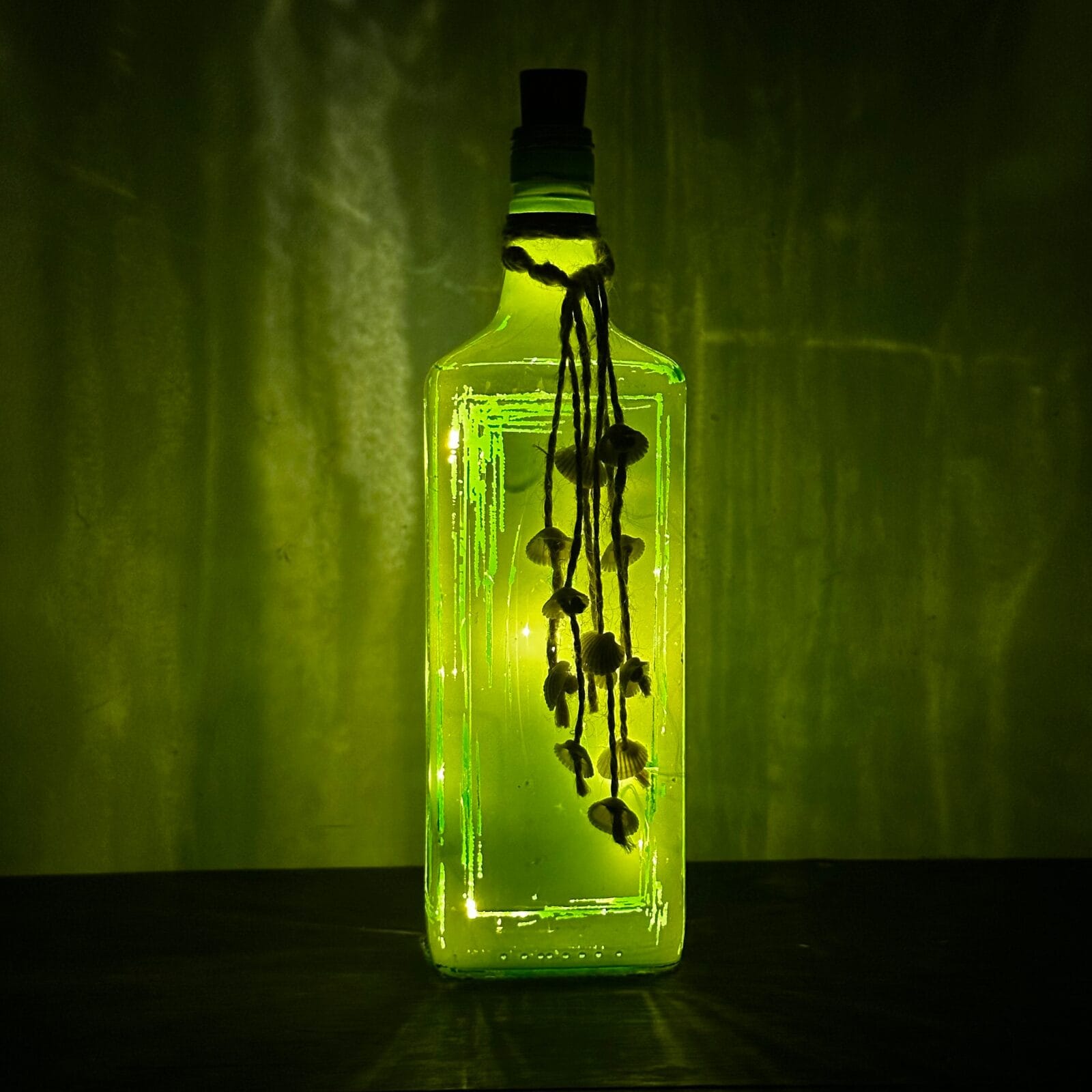
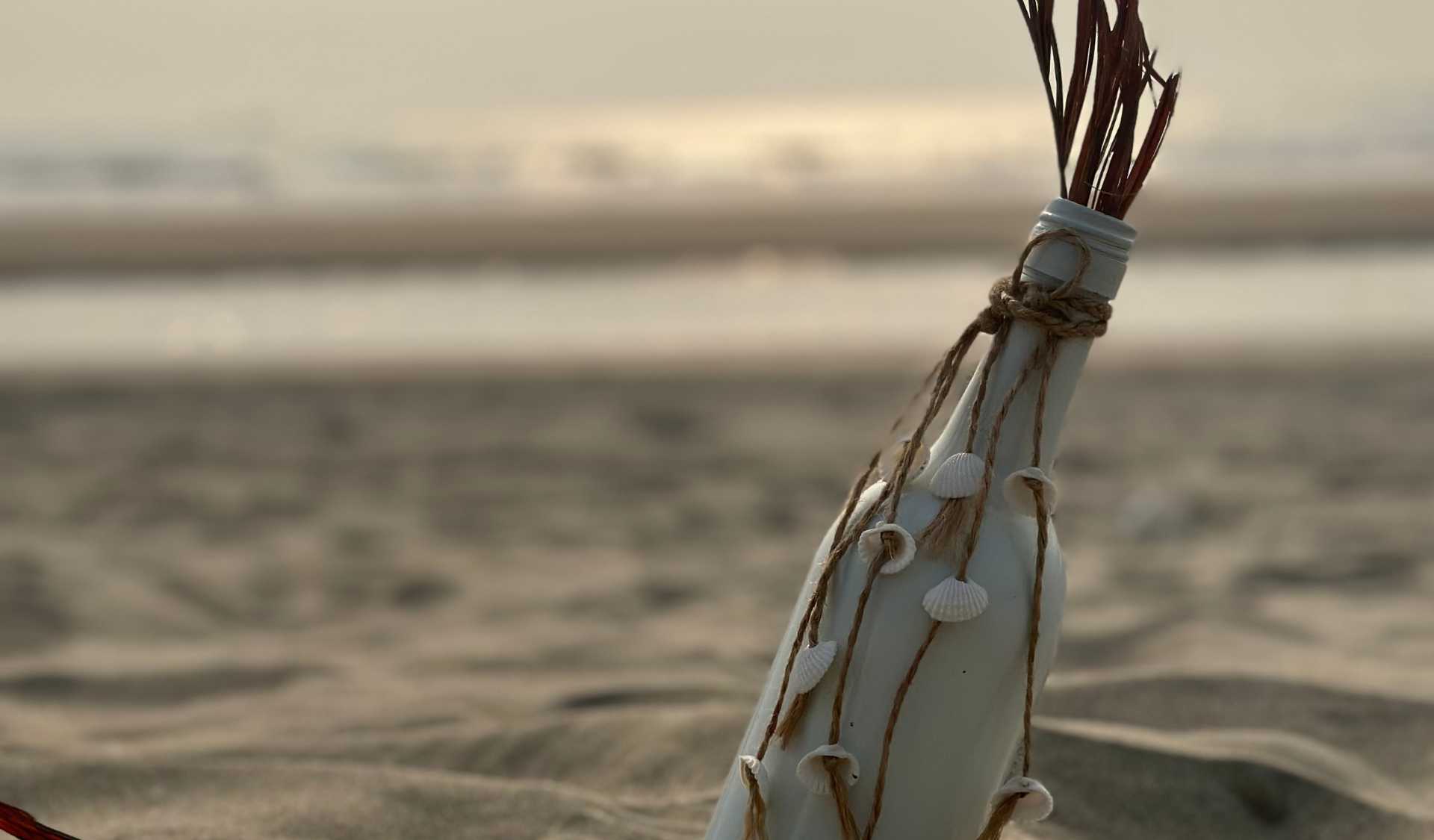
Some BOHO pieces take their visual language from the coast: Coastal Aura, Seashell Glow and Ocean Luminary combine repurposed bottles with sand, seashells and natural fibre.
Glass
The existing bottle becomes the structure—the object that gives the piece its form and history.
Natural accents
Jute, sand and carefully sourced shell elements introduce texture, warmth and a connection to the shoreline.
But there is a line BOHO should keep drawing: we should never protect the ocean by taking more from it. Future coastal materials should prioritise naturally shed shells, responsible by-products, verified cleanup materials or other sources that do not remove living organisms or degrade habitat.
The coastal connection
Ocean Conservancy's International Coastal Cleanup has recorded nearly 410 million individual debris items removed from beaches, waterways and coastal communities from 1986 through 2024. More than 90% of the items in the dataset were plastic.
These are Ocean Conservancy cleanup data, not BOHO beach-cleaning figures. They are included to show the scale of coastal debris and the importance of changing how we think about discarded objects.


Reduce. Reuse. Repurpose. Recycle.
This is a conceptual visual hierarchy, not a quantitative ranking of environmental impact. The preferred pathway depends on the material, product, energy use, transport and local infrastructure.
These actions are not competitors. They are different ways of retaining value and preventing waste.
The material story of a BOHO bottle

The BOHO Reimagined Ledger
The next step is measurement—not bigger claims, but better records.
“The goal is not to make the numbers look impressive. The goal is to make them real.”
A small object. A different system.
BOHO does not believe that one recycled bottle will solve the waste crisis.
We believe in something smaller—and more practical.
A different habit of making.
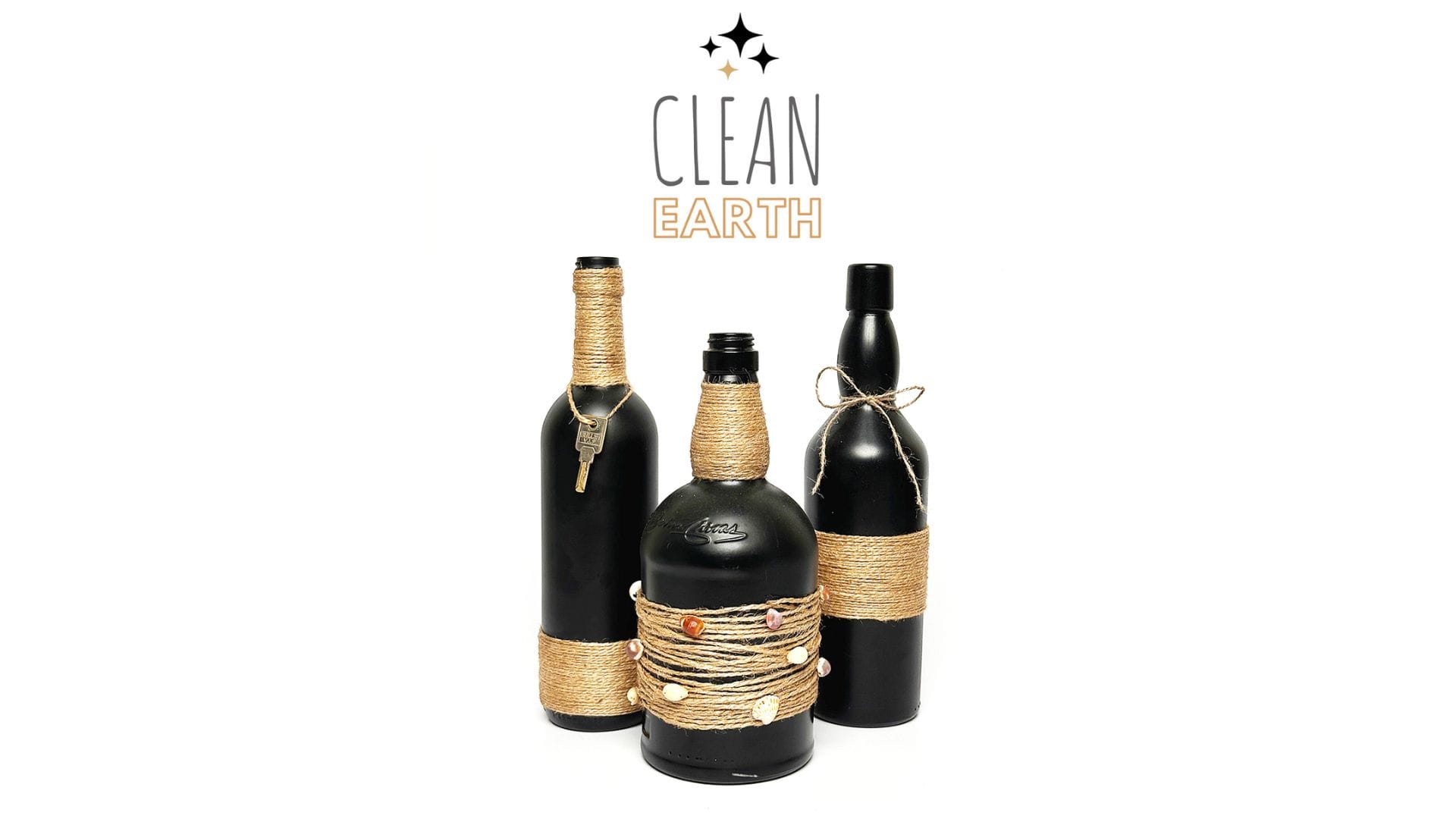
A bottle that would have been discarded becomes a light. A fragment becomes a detail. Jute becomes structure. A naturally shed shell becomes an accent. Sand becomes texture. Craft becomes the bridge between materials that already exist and a new object that can stay in use for years.
Reimagined because the material still had a story to tell.
Closer to home, the numbers become personal
For BOHO, circular design is not an abstract global conversation. We make from Cox's Bazar, live beside the Bay of Bengal, and work within a country where waste-management systems are still under pressure.
That makes the idea of giving existing materials a second life especially relevant.
World Bank reported about 646 tonnes of plastic waste collected daily in Dhaka in 2020.
Only about 37.2% of Dhaka's plastic waste was reported as recycled in the World Bank's 2021 assessment.
A World Bank assessment estimated around 977,000 tonnes of plastic waste annually, about 10% of total waste.
single-use plastic bottles / year in Bangladesh
A 2024 ESDO study estimated Bangladesh disposes of roughly 3.15–3.84 billion single-use plastic bottles annually, with about 21.4% recycled.
South Asia waste collection rate
The World Bank's What a Waste 3.0 reports waste collection rates in South Asia as low as 67%, highlighting the infrastructure challenge across the region.
ESDO's 2024 estimate for single-use plastic bottles. This statistic concerns plastic bottles—not the glass bottles used in BOHO's upcycled collection.
And then there is Cox's Bazar.
A 2022 study of marine litter along Bangladesh's Bay of Bengal coast found plastic bottles among the most numerous observed debris items. Across ten sampling sites, researchers recorded 3,200 plastic bottles; the study also found marine litter densities ranging from 0.14 to 0.58 items per square metre. The researchers classified Cox's Bazar's coast across the clean-to-dirty range of their Clean-Coast Index.
For BOHO, this is where the story becomes local: the coast that inspires our work is also a place where discarded materials can become part of the environmental problem.
Important distinction: the Cox's Bazar study does not say that the 3,200 bottles were all collected by BOHO or that they were all glass. The figure refers to plastic bottles observed in the research sampling. BOHO should not convert it into a claimed cleanup impact.
A regional circular economy is already moving materials
There is another interesting regional signal. World Bank WITS trade data show Sri Lanka exported about 3.93 million kg of glass cullet and other glass waste/scrap in 2024, including 499,220 kg shipped to Bangladesh. This is not a recycling-rate statistic, but it demonstrates that recovered glass already moves through regional material markets.
For BOHO, the opportunity is to keep looking one step earlier in that loop: before a bottle becomes cullet, can it become a beautiful object again?
The bigger picture
UNEP estimates global municipal solid waste generation at about 2.1 billion tonnes in 2023, with projections reaching 3.8 billion tonnes by 2050 if urgent action is not taken.
UNEP projection under current trends. This is global context, not BOHO-specific waste generation.

Not recycled.
Reimagined.
Because sometimes the most sustainable thing we can make is not something entirely new. It is something that already existed—and deserved another life.
Explore BOHO RecycledU.S. EPA — Glass: Material-Specific Data
FEVE / Close the Glass Loop — EU glass collection rate
Ocean Conservancy — Collective Currents 2026
UNEP — Global Waste Management Outlook 2024
BOHO — Recycled Collection
World Bank — Bangladesh Plastic Challenge
The Business Standard — ESDO single-use bottle study
Marine Pollution Bulletin — Bay of Bengal / Cox's Bazar marine litter study
World Bank — What a Waste 3.0
World Bank WITS — Sri Lanka glass waste/scrap trade, 2024